
Let’s be real for a second: if you’ve been around any aviation forums or browsing “Pilot TikTok” lately, you’ve probably heard two completely different stories. One guy will tell you that the hiring spree is over, while another guy will tell you that the airlines are literally begging for pilots. So, what’s the real story in 2026?
The real story is that the “pilot shortage” is still a thing—it’s just evolved. The days of having a pulse and a logbook to get a job are long gone. Today, the regionals are looking for merit, accuracy, and speed. If you’re sitting at home with no hours and a dream to fly a CRJ or an E-175, the door is less open than it used to be, but it’s also clearer than ever before.
If you want to get that left seat, it’s time to stop “winging it” and start planning your training like a military operation.
Why 2026 is Different
We find ourselves in a new world where the FAA and the big airlines (think United, Delta, and American) are placing an enormous emphasis on training quality, not just quantity. With the new 2026 regulations focusing on merit-based hiring and OpSpec A134 requirements, your “checkride” experience is just as important as your overall time.
It’s not just about accumulating 1,500 hours; it’s about being well-prepared and professional enough for your first airline interview, and not taking five years to get there.
The Mindset, You should have!
If you want to go from zero to a regional seat in record time, you have to be okay with a little bit of organized chaos. You’re looking at a 24-to-30-month sprint that will put your bank account, your sleep schedule, and your cognitive abilities to the test. But here’s the rub while your friends are stuck in entry-level office gigs, you’ll be raking in six figures before you turn 25, gazing out at a sunset from Flight Level 350.
In this guide, we’re not going to sugarcoat the costs or the 1,500-hour slog. We’re going to give you the exact, step-by-step blueprint to succeed in the 2026 landscape. We’ll walk you through everything from selecting the best accelerated flight school to selecting the cadet program that actually lands you a job offer.
Table of Contents
Step-by-Step
The Discovery Flight
Before you spend a single dollar, you need to go to a local flight school and take a discovery flight. It’s a 30-minute session where you actually get to touch the controls. You need to know if you actually enjoy being in a small cockpit before you shell out $100k.
The First-Class Medical Certificate
This needs to happen before you start training. You need to have an FAA First-Class Medical. If you have a medical condition that will prevent you from having an FAA First-Class Medical, it’s better to know Day 1 than Day 300.
Fast Route : Accelerated Flight Schools
Traditional “mom and pop” flight schools are not good enough if the priority is speed. You need to get into a Part 141 Accelerated Program, like L3Harris, Skyborne, or ATP Flight School. And It will take around seven to nine months from zero to commercial pilot. The goal is to get your ratings for Private, Instrument, Commercial, and CFI (Certified Flight Instructor) in one consecutive push.
Cadet Program
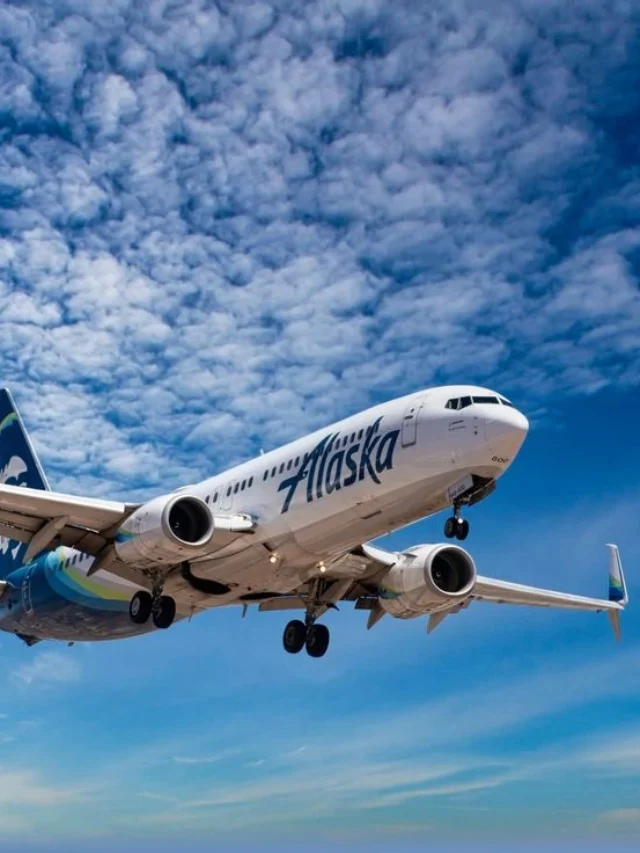
The airlines with direct pipelines in 2026 are United (Aviate), American (AA Cadet Academy), and Alaska (Ascend). Before you even get to your flight hours, note that these programs often offer mentorship, stipends, and most importantly, a job offer.
1,500 Hour Slog
An ATP (Airline Transport Pilot) license requires 1,500 hours, as per FAA regulations. And Becoming a CFI (Flight Instructor) is the fastest way to get there. Fuel is sponsored by someone else, but you get paid to fly in the air.
The Employment Scene in 2026
Mention OpSpec A134. The FAA has placed greater stress on merit-based hiring in 2026. A “clean” record (no checkride failures) and superior technical skills are now more valuable than hours.
Some Important Details
| Minimum Age | Age requirements are 21 for restricted ATP and 23 for full ATP. |
| Education | Most Regionals in 2026 prioritize flight experience and merit, but majors prefer a four-year degree. |
| Cost | The total cost of an accelerated zero-to-hero program is estimated to be between $90,000 and $110,000. |
| Checkride | Keep it tidy. Multiple failures are a warning sign in a merit-based setting. |
How much does it really cost to go from zero to a regional airline in 2026?
If you choose to pursue an accelerated program, you will need to budget between $90,000 and $115,000.
Can I still become a pilot if I wear glasses?
Of course. This is the most common myth in aviation. The FAA does not have a problem with you wearing glasses.
Am I too old to start flight training at 30 (or 40)?
Not even close. Airline pilots are still required to retire at age 65. You still have 25 years left in your career if you start at 40.
Do I really need a 4-year college degree to fly for the airlines?
No, a high school degree is generally all that is required to be hired as a First Officer at Regional Airlines.
How long will the entire process take?
To fulfill the 1,500 hours, you will then proceed to become a flight instructor for 15 to 18 months. How long will it take in total? 2.5 to 3 years on average.
What is a First-Class Medical, and why do I need it first?
It is a physical examination conducted by an FAA-approved physician. You will not be able to operate as an airline captain without it, so you will need it.
Comment below for: Which airline are you interviewing for next? I’ll give you a specific solution for your interview.”
Comment below for: Are you struggling anywhere!, Kindly let us know, We will give you perfect solution.