When most people think of a lucrative career in aviation, they automatically think of the cockpit. However, in 2026, the true hidden gems of the industry lie behind the scenes. With the aviation industry in the US expected to grow by close to 5% in the current year, the need for specialized engineers, safety professionals, and senior managers has driven non-pilot salaries to record-breaking levels.
Table of Contents
List of Highest Paying Aviation Jobs in 2026
You don’t have to have wings to earn a six-figure income in the aerospace industry. In this guide, we will be highlighting the top-paying non-pilot aviation careers in the USA, including the necessary certifications, the work that you will be doing, and how much you can expect to take home.
1. Air Traffic Controller
($135,000 – $165,000+) Air Traffic Controllers (ATCs) controlling the flow of aircraft through the National Airspace System. In the USA, this is recognized as the highest-paying job that is not a pilot position and does not require a four-year degree, with top air traffic controllers in busy airports such as New York or Chicago making between $165,000 and $200,000.
Why High Demand
- Thousands of controllers who were hired in the 1980s have now reached the mandatory retirement age, creating a substantial gap in the workforce that the FAA is finding it difficult to fill.
- The major US hubs (such as New York and Florida) are operating at substantially lower levels of staffing than their targets, resulting in mandatory overtime and an acute need for new hiring to avoid flight delays.
2. Aerospace Engineer
$125,000 – $180,000 Aerospace Engineers are the visionaries of the new sky, as they design the aircraft, spacecraft, and satellites that characterize our generation. In 2026, with the USA racing towards supersonic transport and Mars missions, Aerospace Engineers are particularly in the defense and NewSpace sectors.
Why High Demand
- HAL is expanding the production of the Tejas fighter aircraft, and new aircraft programs such as the Regional Transport Aircraft (RTA) are being developed in India.
- The Indian space sector is expand from $7 billion in 2019 and $50 billion by 2024. And It is continously increasing.
- Companies such as SpaceX and Blue Origin are growing very quickly, attracting the best personnel from the aviation industry to develop next-generation satellites and Mars exploration spacecraft
3. Airport Manager
$140,000 – $220,000 Airport Managers managing the intricate daily activities of an entire aviation infrastructure. In 2026, as airports has now transform into smart cities, these managers demand salaries between $140,000 and more than $220,000 at major US international airports. The job of flight operations managers is one of the most highly paid in the aviation industry. They are responsible for the day-to-day running of flight operations for airlines.
Why High Demand
- With global travel reaching record numbers in 2026, airports are in dire need of managers who can maximize terminal capacity and deal with millions of extra passengers without congestion
- The aviation industry is experiencing a revival after the pandemic (Corona) and requires professionals / seekers to handle the rise in operations of airports of worldwide.
4. Aircraft Maintenance Manager
$95,000 – $145,000 Aircraft Maintenance Managers are the strategic leaders, and they ensuring every aircraft in a fleet is safe, compliant, and ready for departure. In 2026, as airlines face immense pressure to minimize “AOG” (Aircraft on Ground) time, these managers earn between $95,000 and $145,000, with top-tier directors at major cargo or commercial airlines. They also handle budgeting, inventory control for spare parts, and liaise with pilots, engineers, and regulatory bodies.
Why High Demand
- The air cargo demand and supply has increasing day by day and the emergence of commercial drone operations (UAVs) have spawned new industries that need specialized maintenance management.
- The 2026 the AI boom has come and booming the industries day by day, And AI and “Digital Twin” technology calls for a new generation of managers who can take complex data and turn it into practical “hangar” action.
5. Cabin Crew
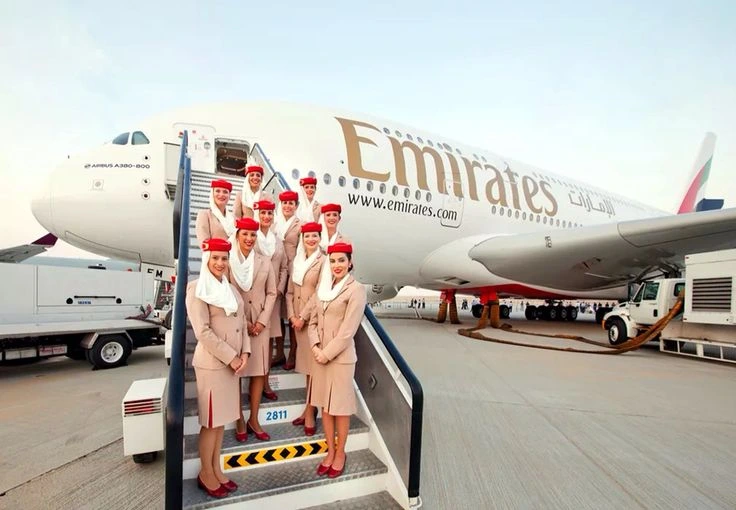
$28,000 – $120,000+ The cabin crew personnel, also known as Flight Attendants, are the face of the airline and the first line of defense for the safety of passengers at 35,000 feet. In 2026, with passenger demand at record highs, the median salary for cabin crew personnel in the US is around $67,000, with senior “International Pursers” at the major carriers easily topping $100,000.
Why High Demand
- Major airlines in the US and worldwide are accepting delivery of hundreds of new aircraft in thier business in 2026, each of which needs a crew of 8-14 personnel to operate. Because aviation industries is increasing day by day.
- The aviation industry demands new cabin crew staff to cater to the increasing demand for air travel.
- The stricter FAA “Flight Duty Time” regulations in 2026 have cut the number of hours that crews can work in a shift, forcing airlines to increase their staff by 15-20% just to maintain the same level of flights.
1. Can I make six figures in aviation without being a pilot?
Yes. There are several non-pilot jobs that pay six figures, such as Air Traffic Controllers, Aerospace Engineers, and Airport Managers. In 2026, the need for technical and management skills has driven many of these jobs above the $120,000 threshold.
2. What non-pilot aviation job is easiest to get?
The easiest jobs to get as a non-pilot aviation professional are Ground staff jobs such as Ramp Agents or Gate Agents, which require only a high school diploma. However, for a well-paying job, Flight Attendant jobs are relatively easy to get, requiring only a few weeks of training specific to the airline, with a median salary of approximately $67,000.
3. Do I need a college degree for a high-paying aviation job?
No. While Aerospace Engineers require a college degree, Air Traffic Controllers and Aircraft Maintenance Managers can often get hired with FAA-approved vocational training, military service, or specialized certifications (such as the A&P license).
4. Why are non-pilot aviation salaries rising so quickly in 2026?
The “Staffing Gap” is the primary cause. Record-breaking passenger volumes and a spate of retirements have led airlines to offer enormous retention bonuses and significant base salary increases to lure qualified ground staff.
5. Do I need an engineering degree to work in aircraft maintenance?
To be a manager, a degree is useful, but the key is the FAA Airframe and Powerplant (A&P) License. Many of the highest-paid Maintenance Managers began as technicians and advanced through experience and specialized certifications.
6. Which US states offer the highest compensation for aviation management positions?
The highest compensation is offered in states with large international hubs, such as New York (JFK), Georgia (ATL), Illinois (ORD), and California (LAX), to account for the complexity of the operation and the cost of living.
7. Can I pursue a career as an Aerospace Engineer with a degree in Mechanical Engineering?
Yes. Most aerospace companies hire Mechanical Engineers, as long as they have a deep understanding of fluid dynamics, materials, and CAD design. You could also specialize in propulsion or aerodynamics to increase your salary.
8. Are Flight Attendants considered “high-paying” in 2026?
While entry-level pay is relatively low, senior flight attendants at major airlines now make $85,000 to $120,000+. This is due to new “boarding pay” regulations and high-value international per diems.
9. Do these non-pilot jobs qualify for flight benefits?
Yes! Airport Managers, Maintenance Managers, and even many corporate aviation employees qualify for the same standby travel benefits as pilots and flight attendants, enabling them to travel the world for free or at a significant discount.